Trending Skin Treatments in 2026: What’s Changing in Dermatology and What It Means for You
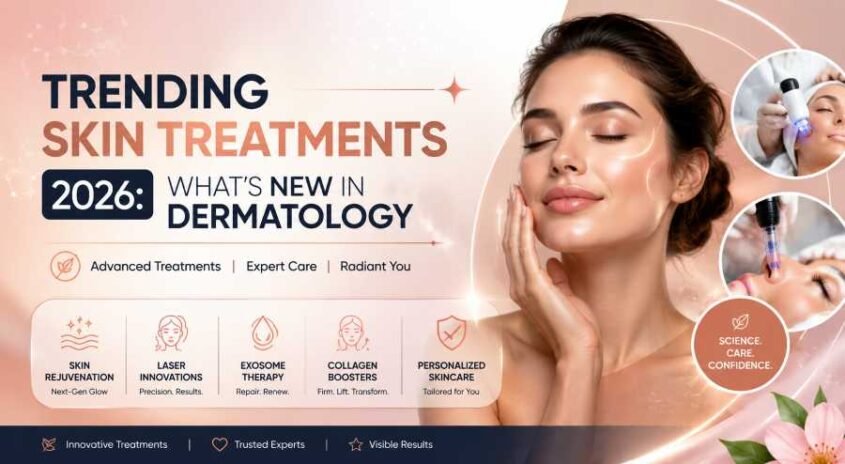
Skin treatments have quietly moved past the old “fix the problem after it appears” mindset. In 2026, dermatology is shifting toward regenerative, preventive, and deeply personalized care — treatments designed to support the skin’s own repair processes rather than simply masking a concern for a few weeks at a time. Whether you’re dealing with pigmentation, acne scarring, early signs of aging, or a chronic skin condition, understanding what’s actually changing in the field can help you have a more informed conversation with your dermatologist.
Here’s a look at the skin treatment trends genuinely shaping dermatology this year, and what they mean for your own skin health journey.
Why Skin Treatment Trends Are Shifting in 2026
For years, most cosmetic dermatology followed a reactive pattern: wait for wrinkles, pigmentation, or scarring to appear, then treat it. That approach is giving way to something more proactive. The overarching theme in 2026 is regeneration — supporting the skin’s underlying architecture so improvements last longer and look more natural, rather than chasing a temporary, surface-level fix. This shift is backed by real advances in how treatments are formulated and delivered, not just marketing language.
1. Regenerative and Bio-Stimulating Treatments
Rather than simply filling or resurfacing, many of 2026’s leading treatments focus on stimulating the skin’s own repair mechanisms. Techniques like radiofrequency microneedling combined with regenerative topicals, next-generation peptides, and targeted growth factors are being used to trigger genuine collagen remodeling, producing structural improvements that patients can see and feel for months afterward, rather than a result that fades within weeks.
2. Preventive Skincare in Your 20s and 30s
Anti-aging care is trending earlier. Instead of waiting for fine lines or age spots to appear, more people in their twenties and thirties are proactively choosing treatments and skincare routines designed to maintain healthy, youthful skin before visible aging sets in. This reflects a broader rise in skin health awareness among younger patients, who increasingly see preventive dermatology as part of routine self-care rather than a later-life concern.
3. Next-Generation Chemical Peels
Chemical peels remain one of the most versatile treatments in cosmetic dermatology, and 2026’s formulations are more refined than ever. Newer peels combine exfoliating acids with nourishing, barrier-supportive ingredients to reduce irritation while still delivering visible results. A dermatologist can customize peel strength — light, medium, or deep — based on individual skin type and specific concerns like dullness, clogged pores, or uneven texture.
4. Laser Treatments for Pigmentation, Melasma, and Scarring
Laser technology continues to be one of the most effective tools for addressing pigmentation concerns, melasma, and acne scarring. Pigment lasers work by targeting excess pigment in the skin, while fractional resurfacing lasers work in a more targeted, column-by-column pattern that leaves surrounding tissue intact to support faster healing while still stimulating deeper skin renewal. These remain highly technique-dependent treatments, which is why experience and precise patient assessment matter enormously in getting safe, effective results.
5. Skin Boosters for Deep Hydration
Skin boosters — injectable formulas that infuse the skin with hyaluronic acid and vitamins — are gaining traction as a treatment focused purely on hydration and glow rather than changing facial shape or volume. Long popular in Europe and Asia, this category continues to grow globally as more patients look for subtle, natural-looking improvements in skin quality rather than dramatic transformation.
6. Smarter Topical Delivery Systems
Proven ingredients like retinol, vitamin C, and niacinamide aren’t going anywhere, but how they’re delivered is improving significantly. Novel encapsulation systems and lipid-based carriers now allow these active ingredients to penetrate the skin more effectively while reducing the redness, flaking, and stinging that often came with older formulations. In practical terms, this means many patients can now tolerate powerful actives that previously caused irritation.
7. Advances in Treating Chronic Skin Conditions
Beyond cosmetic dermatology, 2026 is also bringing real progress for chronic inflammatory skin conditions like psoriasis, atopic dermatitis, and vitiligo, with a growing wave of targeted therapies advancing through clinical development. For conditions like psoriasis, treatments targeting specific inflammatory pathways are offering patients more options with improved long-term safety profiles. Anyone managing a chronic skin condition should discuss these evolving treatment options directly with their dermatologist, since the right approach depends heavily on disease severity and individual response to prior treatments.
8. Personalized, Physician-Led Treatment Plans
Perhaps the most consistent theme across 2026’s dermatology trends is a move away from isolated, one-off treatments toward a coordinated, strategic plan. Patients increasingly want a dermatologist-guided roadmap that combines complementary treatments over time, rather than picking a trending procedure without understanding how it fits into their overall skin health goals.
How to Choose the Right Treatment for Your Skin
- Start with a professional evaluation rather than self-diagnosing based on trends you’ve seen online or on social media.
- Be clear about your actual goals — whether that’s addressing a specific concern like pigmentation or scarring, or a broader preventive skin health plan.
- Ask your dermatologist how a recommended treatment fits into a longer-term plan, not just what it does in isolation.
- For any chronic or diagnosed skin condition, always discuss new treatment options directly with your treating dermatologist before making changes.
Why Professional Dermatological Care Matters
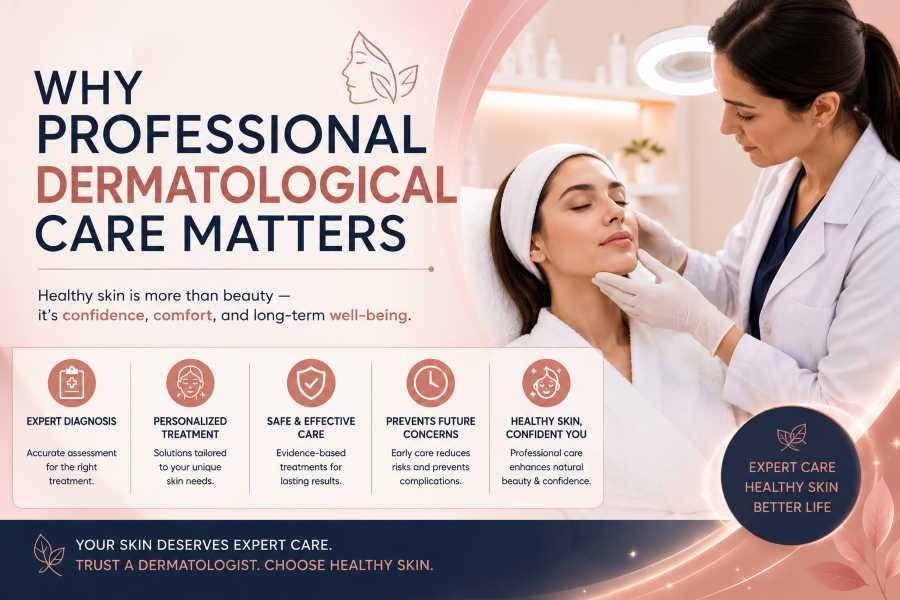
With so many treatments, devices, and ingredients now available, the biggest factor in getting safe, effective results isn’t the treatment itself — it’s proper assessment and experienced execution. Laser and resurfacing treatments in particular are highly technique-dependent, and outcomes can vary significantly based on the practitioner’s experience with different skin types and conditions. An experienced dermatologist can accurately diagnose what’s actually happening with your skin, rule out underlying conditions that need medical rather than cosmetic treatment, and build a plan suited to your specific skin type, history, and goals — rather than a generic approach borrowed from a trending video.
What to Expect at Your First Dermatology Consultation
If you’re considering any of these treatments for the first time, a first consultation typically starts with a detailed discussion of your skin history, current concerns, and any previous treatments you’ve tried. Your dermatologist will usually examine your skin closely, sometimes using magnification or specialized lighting to assess texture, pigmentation, or scarring more precisely. From there, expect an honest conversation about realistic outcomes, the number of sessions a treatment might require, and how it fits into a broader plan rather than a single quick fix. Coming prepared with a clear list of your main concerns and any products or treatments you’re currently using helps your dermatologist give you more tailored, useful guidance from the very first visit.
Conclusion
Skin treatments in 2026 are less about chasing the latest trending procedure and more about understanding how your skin actually works — and supporting it with the right combination of regenerative, preventive, and condition-specific care. From advanced peels and laser treatments to smarter topical delivery and genuinely personalized treatment plans, the field is moving toward results that are more natural-looking and longer-lasting than ever before. Whatever concern brought you here, the most valuable next step is a proper professional evaluation, so any treatment you pursue is actually the right fit for your skin, not just what’s currently trending.
Frequently Asked Questions (FAQs)
Q1. What is the biggest shift in skin treatments for 2026?
The clearest shift is from reactive, symptom-masking treatments toward regenerative approaches that support the skin’s own repair mechanisms, such as radiofrequency microneedling combined with regenerative topicals, growth factors, and next-generation peptides. The goal is longer-lasting structural improvement rather than a temporary fix.
Q2. At what age should I start preventive skin treatments?
Many dermatologists are now seeing patients in their 20s and 30s opt for preventive approaches, such as light microneedling or barrier-supportive skincare, aimed at maintaining skin health before visible signs of aging appear. That said, the right starting point genuinely depends on your individual skin, so it’s best discussed with a dermatologist rather than followed as a fixed rule.
Q3. Are chemical peels still an effective treatment in 2026?
Yes, chemical peels remain one of the most versatile and widely used cosmetic dermatology treatments. Newer formulations combine exfoliating acids with nourishing, barrier-supportive ingredients to minimize irritation, and a dermatologist can customize peel strength based on your specific skin type and concerns.
Q4. Can laser treatments help with pigmentation and acne scars?
Laser treatments, including pigment lasers and fractional resurfacing lasers, are commonly used to address concerns like melasma, freckling, and acne scarring by targeting pigment or stimulating collagen remodeling in the treated area. Results and suitability vary by skin type and condition, which is why an in-person evaluation is important before starting treatment.
Q5. Is it safe to follow skincare trends without seeing a dermatologist?
General skincare habits like daily sunscreen and gentle, barrier-supportive products are safe for most people to adopt on their own. However, in-clinic procedures, prescription treatments, and anything addressing a diagnosed skin condition should always be guided by a qualified dermatologist, since the right approach depends heavily on your individual skin type, history, and any underlying condition.
Q6. How do I know which skin treatment is right for me?
The best starting point is a professional consultation rather than self-diagnosing from articles or social media. A dermatologist can properly assess your skin type, concerns, and any underlying condition, and recommend a treatment plan tailored to you rather than a generic, one-size-fits-all approach.
Thanks for reading
……………………………………………………
Click here to read more: Visit now
Visit our website to see all services: Click here to visit
Directly contact us on WhatsApp at +91 8448813136
Call now : +91 7678516068
acne and pigmentation treatmentdermatologist skin care tipsmonsoon skincare tipsskin care tips for Indian weatherskin protection in summerskincare routine for Indian climatewinter skincare routine India
Best dermatologist in DelhiBest dermatologist South DelhiEczema children and adultsHair growth therapy in DelhiLaser for acne & scar under senior consultantPsoriasis treatment in DelhiSkin allergy treatmentSkin specialist in DelhiTop acne treatment in DelhiTop Vitiligo cures in Delhi
acne scar laser treatmentadvanced skin laser treatmentbest dermatologist for laser treatment in delhidermatologist south delhilaser clinic in delhilaser dermatologist delhilaser skin treatment delhipigmentation laser treatment delhiSkin specialist in Delhi
Acne Scar TreatmentAcne Treatment DelhiBest dermatologist in DelhiBridal Skin CareChemical Peel TreatmentGroom Skin CareHydrafacial DelhiLaser Skin TreatmentPre Bridal FacialPre-Wedding Skin TreatmentsSkin allergy treatmentSkin Glow TreatmentSkin Specialist DelhiWedding Skin Care Tips