Skin Allergy Treatment: Latest Dermatologist-Approved Solutions in 2026
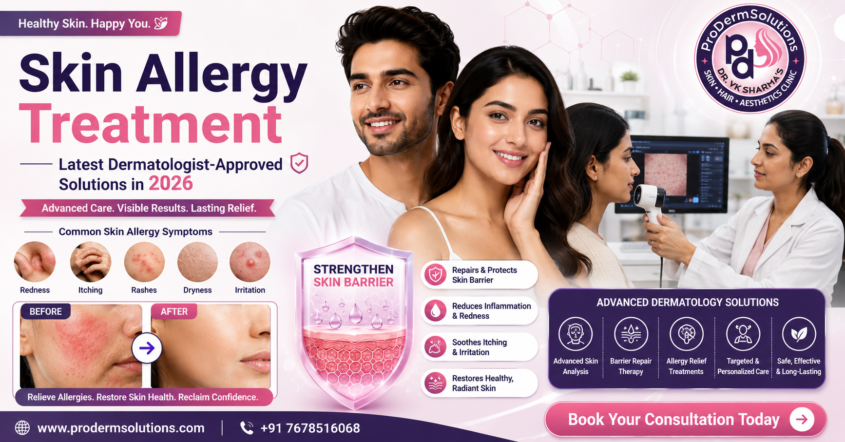
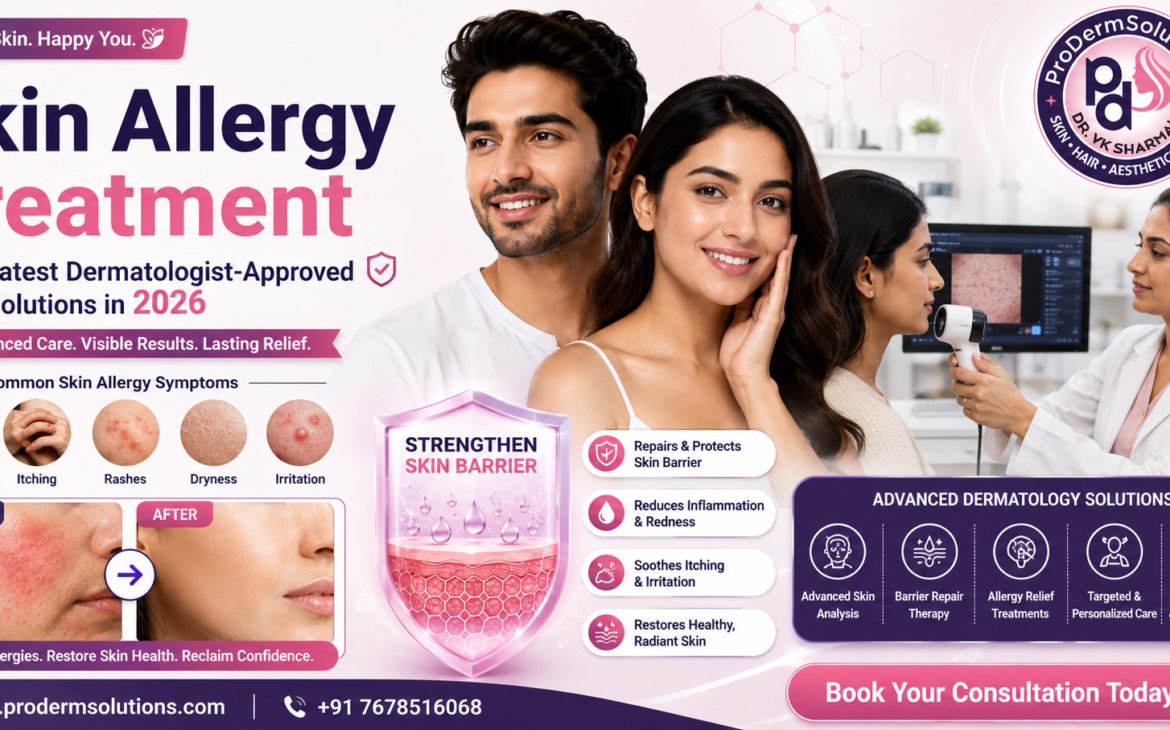
Skin Allergy Treatment Allergies of the skin are one of the most common dermatological conditions that can happen to anyone of any age. Common symptoms of allergic skin reactions often include itchy rashes and redness, swelling, and ongoing irritation that can detract from the quality of life of an individual. The prevalence of skin allergies is on the rise due to increased pollution levels, use and exposure to environmental allergens, the relative effects of our lifestyles today compared to that of just a few generations back, and our continuous exposure to new ingredients in our cosmetics. With the publication of new dermatological research in 2026 it has been confirmed that many allergic skin disorders are being attributed largely to the extent of dysfunction of the skin barrier and to imbalances in the immune system.
The advancement of treatments in dermatology has resulted in very effective and very specific treatment plans for skin allergies. This guide will take you through the new trends, treatments, and preventative measures that will be available from Dermatologists in 2026.
What Is a Skin Allergy?
When the body’s immune system over reacts to an allergic reaction, this may manifest on the person’s skin as an allergy. Anesthetics can cause inflammation and irritation of the skin (source of inflammation).
Some types of skin allergies are:
• Contact dermatitis (e.g., poison ivy, other chemical irritants)
• Atopic dermatitis (eczema)
• Allergic urticaria (hives)
• Drug-related skin reactions
• Cosmetic-related allergies
• Sun-induced skin allergies
The symptoms you have from an allergen vary widely, depending on the allergen itself, how sensitive your skin is and how long you have been exposed to the allergen.
Common Symptoms of Skin Allergies
In recognizing symptoms of skin allergies and seeking treatment before developing severe complications, the chances of developing complications can be minimized.
Common Symptoms of Skin Allergies:
• Redness/inflammation
• Itching
• Dry/Scaly Skin
• Swelling
• Burning (or hot) sensation
• Raised Blisters/Hives
• Skin that peels off
• Blisters (in more severe cases)
If you do not see improvement in your symptoms after a few days, you should see a dermatologist.
Reasons for an Increase in Skin Allergy Cases by 2026
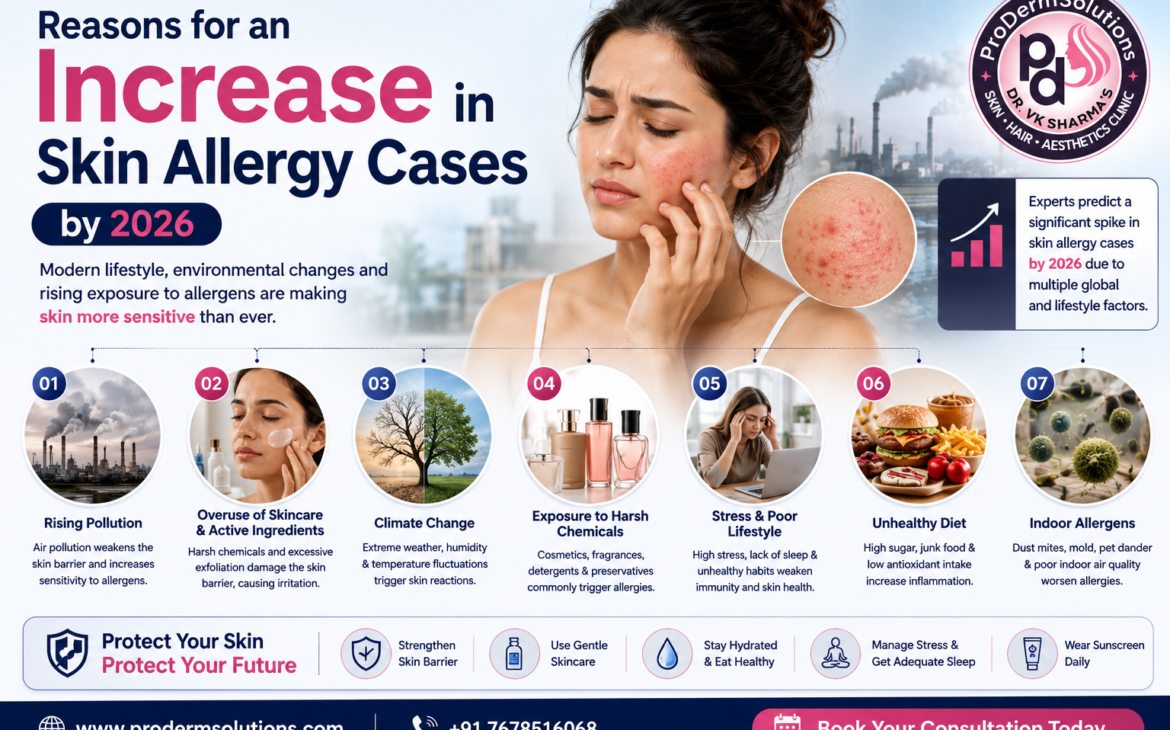
Dermatologists have determined a number of contemporary reasons for the increase in cases of allergies related to skincare:
1. Environmental Pollution
Pollution damages the skin barrier, leaving the skin more prone to allergens and irritation.
2. Overuse of Active Ingredients in Skincare Products
Excessive use of exfoliants, strong acids and other damaging ingredients to the skin leads to a damaged skin barrier.
3. Climate Change
Extreme temperatures and change in seasons can cause the skin to become hypersensitive.
4. Exposure to Cosmetic Ingredients
Many people are allergic to common cosmetic ingredients, such as; fragrances, preservatives and dyes.
5. Lifestyle Stress and Stressors
Prolonged stress has been known to negatively impact skin by increasing inflammation and contributing to worsening allergies.
Trending Skin Allergy Treatments in 2026
1. Barrier Repair Therapy
A major skincare trend for 2026 is using treatments that focus on repairing your skin barrier instead of just alleviating symptoms. The current clinical approach is for dermatologists to provide treatments aimed at restoring the health of your skin barrier with the use of products that include barrier-repairing ingredients such as ceramides, fatty acids, and other barrier-repairing ingredients compared to simply masking the effects of skin irritation through topical therapies.
Key Benefits of Barrier Repair Therapy:
• Decreasing skin sensitivity
• Improving skin hydration
• Preventing allergen penetration into the skin
• Supporting long-term skin health
2. Personalized Allergy Management
Personalized allergy treatment is increasingly more common in dermatology, and is becoming a more standardized approach to treating skin allergies based on research that supports individualized mediations based on individual triggers, skin type, and allergy history.
Benefits Include:
• Increasing the likelihood of obtaining an accurate diagnosis
• Improving overall treatment response and improving treaty outcomes
• Reducing skin allergy recurrence
• Enhancing patient compliance and satisfaction
The use of biomarkers to monitor allergic skin disease and treatment response is also becoming more common as seen in published research studies.
3. Advanced Moisturization Therapy
Moisturizers continue to be one of the most important types of products that can be used to manage skin allergies. Numerous dermatology guidelines recommend the regular use of moisturizers to prevent the development of skin allergy flare-ups in individuals who are prone to developing eczema.
Look for moisturizers that contain the following types of ingredients where possible:
• Ceramides
• Glycerin
• Hyaluronic Acid
• Squalane
• Colloidal Oatmeal
4. Hypochlorous Acid-Based Skin Care Products
The development of hypochlorous acid spray is continuing throughout 2026 with increasing popularity among dermatologists in the treatment of allergic skin irritations. The reason dermatologists recommend these products is that they have both a calming effect on the skin as well as possessing anti-inflammatory properties, which is extremely advantageous to patients who are frequently exposed to allergens.
Some possible uses for hypochlorous acid products are:
• Calming redness
• Reducing irritation
• Encouraging healing
• Stopping bacterial growth
5. Steroid-Sparing Treatments
The potential negative side effects of long-term steroid use can be offset by using newer, steroid-sparing therapies which help prevent inflammation without the potential dangers associated with longer-term steroid use.
These new treatments are:
• Calcineurin inhibitors
• PDE-4 inhibitors
• Targeted topical therapies
New dermatology guidelines recommend steroid-sparing therapies for long-term management.
6. Biologics and Targeted Therapies
Biologics have revolutionized the treatment of moderate to severe allergic skin conditions.
Biologics have many advantages including:
• Targeted immune modulation
• Improved symptom management
• Reduced itching
• Long-term management of disease
Many of the new biologics and targeted therapies have demonstrated impressive results in the management of eczema and allergic dermatitis.
How Dermatologists Diagnose Skin Allergies
Correct diagnosis is critical to an effective treatment.
A dermatologist might suggest:
Patch Test
To determine the source of your contact allergy.
Skin Exam
Will identify what type of rash you have, how it is affecting your skin, and how severely it is affecting your skin.
Medical History Review
Provides information about your allergies, the things that cause them, and when you were exposed to them.
Allergy Assessment
Covering possible environmental, occupational, or lifestyle factors.
Cleanse Daily
Use a mild, fragrance-free soap and a gentle cleaning product on your allergy prone skin.
Moisturize Twice Daily
Moisturizing your skin on a regular basis will help to prevent it from becoming irritated or inflamed by any environmental or other irritants.
Avoid Your Triggers
Common sources of irritation for your allergy-prone skin include:
• Fragrances – both in your products and in your environment
• Nickel
• Cosmetics (depending on the formulation)
• Harsh Detergents
• Dust and Pollen
Always Wear Sunscreen
Ultraviolet (UV) exposure can cause your skin to be more susceptible to inflammation or irritation.
Use Products That Are Hypoallergenic
Whenever possible, use skincare products that have been tested and approved by a dermatologist.
Foods That May Support Healthy Skin

Although food allergies differ from person to person, eating balanced meals may help maintain healthy skin.
The following should be considered when eating a healthy diet:
- Antioxidant rich fruits
- Omega-3 fatty acids
- Leafy greens
- Drink enough water
- Foods with probiotics
Before switching to a different diet, make sure to speak with your dermatologist.
⠀⠀⠀⠀⠀⠀⠀⠀⠀⠀⠀⠀⠀⠀⠀⠀⠀⠀⠀⠀⠀⠀⠀⠀⠀⠀⠀⠀⠀⠀⠀⠀⠀⠀⠀⠀⠀⠀⠀⠀⠀⠀⠀⠀⠀⠀⠀⠀⠀⠀
When Should I Visit the Dermatologist?
Seek medical attention if you have:
- Have had a rash for over 2 weeks
- Tried to treat your rash with home remedies but haven’t seen improvement
- Have developed an infection
- Have non-settling or extreme irritations of the rash that disrupt your sleep
- Have noticed that you experience repeated allergies to something
- Have a rash that disrupts your daily life
The sooner you seek medical advice, the better your chances are of preventing more serious complications and having a better treatment outcome.
⠀⠀⠀⠀⠀⠀⠀⠀⠀⠀⠀⠀⠀⠀⠀⠀⠀⠀⠀⠀⠀⠀⠀⠀⠀
Future of Allergy Treatment for Skin
The future of dermatology will be a move towards evidence-based, patient-focused care which relies upon the use of biomarkers to guide the use of therapy, skin barrier repair therapies, and microscope focused skin care regimens, as well as advanced, targeted pharmaceuticals.
The future of skin allergy treatment will be more about maintaining long-term skin health and preventing skin allergies than just alleviating the symptoms for a short period of time.
Conclusion
Although skin allergies can make you frustrated and uncomfortable, the treatment options being provided by modern dermatology have never been more effective.
Treatment of skin allergies will be on repairing the barrier of your skin, easing inflammation, identifying triggers of skin allergies and providing specific care designed for you, individually.
Management of most types of skin allergies is possible with an early diagnosis, proper skin care routine and dermatologist-guided treatments.
If you are suffering from recurrent allergies to your skin, ask a qualified dermatologist for a complete evaluation and individualized approach to treatment.
Frequently Asked Questions (FAQs)
1. What is the best Skin Allergy Treatment in 2026?
The best treatment depends on the cause of the allergy. Current dermatology trends emphasize barrier repair therapy, moisturization, targeted treatments, and personalized care plans.
2. Can skin allergies be cured permanently?
Some allergies can be effectively controlled by avoiding triggers, while chronic conditions like eczema often require long-term management.
3. How do I know if I have a skin allergy?
Common symptoms include itching, redness, swelling, rashes, and skin irritation. A dermatologist can confirm the diagnosis.
4. Are natural remedies effective for skin allergies?
Some individuals find relief with gentle, dermatologist-approved remedies, but professional evaluation is recommended for persistent symptoms.
5. Can pollution cause skin allergies?
Yes. Pollution can weaken the skin barrier and increase sensitivity, making allergic reactions more likely.
6. How can I prevent skin allergy flare-ups?
Maintain a healthy skin barrier, moisturize regularly, avoid known triggers, and follow a dermatologist-recommended skincare routine.
7. Is eczema a skin allergy?
Eczema is a chronic inflammatory skin condition often associated with allergies and skin barrier dysfunction.
8. When should I consult a dermatologist for a skin allergy?
You should seek professional help if symptoms are severe, persistent, recurring, or affecting your daily life.
Thanks for reading
……………………………………………………………………………………………………………………………
Click here to read more: Visit now
Visit our website to see all services: Click here to visit
Directly contact us on WhatsApp at +91 8448813136
Call now : +91 7678516068
acne and pigmentation treatmentdermatologist skin care tipsmonsoon skincare tipsskin care tips for Indian weatherskin protection in summerskincare routine for Indian climatewinter skincare routine India
Best dermatologist in DelhiBest dermatologist South DelhiEczema children and adultsHair growth therapy in DelhiLaser for acne & scar under senior consultantPsoriasis treatment in DelhiSkin allergy treatmentSkin specialist in DelhiTop acne treatment in DelhiTop Vitiligo cures in Delhi
acne scar laser treatmentadvanced skin laser treatmentbest dermatologist for laser treatment in delhidermatologist south delhilaser clinic in delhilaser dermatologist delhilaser skin treatment delhipigmentation laser treatment delhiSkin specialist in Delhi
Acne Scar TreatmentAcne Treatment DelhiBest dermatologist in DelhiBridal Skin CareChemical Peel TreatmentGroom Skin CareHydrafacial DelhiLaser Skin TreatmentPre Bridal FacialPre-Wedding Skin TreatmentsSkin allergy treatmentSkin Glow TreatmentSkin Specialist DelhiWedding Skin Care Tips
chronic skin conditionsdermatologist for eczemadermatologist for psoriasiseczema symptomseczema treatmenteczema vs psoriasiseczema vs psoriasis diagnosispsoriasis symptomspsoriasis treatmentSkin allergy treatmentskin condition diagnosis