How to Remove Dark Spots Safely
Dark spots, uneven skin tone and pigmentation are common skin concerns that can affect people of all ages. They may appear on the face, forehead, cheeks, nose, hands or other areas exposed to the sun. Dark spots can develop after acne, skin irritation, insect bites, wounds, hormonal changes or excessive sun exposure. In cases these marks are a form of hyperpigmentation, where the skin produces or deposits excess melanin. Post-inflammatory hyperpigmentation is particularly common after inflammation or injury. Can be more noticeable and persistent in darker skin tones.
Although many products claim to remove spots quickly safe pigmentation treatment requires patience and the right approach. Using scrubs, unregulated bleaching products or strong active ingredients without professional guidance can irritate the skin and sometimes make pigmentation worse. A safer approach starts by identifying the cause of the spots protecting the skin from sunlight maintaining a gentle skincare routine and considering dermatologist-recommended treatments when necessary.
Understanding What Causes Dark Spots and Hyperpigmentation
Before learning how to remove spots it is important to understand why they develop. Hyperpigmentation occurs when the skin produces melanin or when pigment becomes deposited within different layers of the skin. One of the common causes is post-inflammatory hyperpigmentation, which can occur after acne, eczema, psoriasis, cuts, burns, insect bites or other forms of skin inflammation. When the original condition is controlled the resulting dark marks may gradually become lighter although the process can take months.
Sun exposure is another factor behind persistent pigmentation. Ultraviolet radiation can stimulate melanin production. Make existing dark spots appear darker. Visible light can also contribute to pigmentation in conditions such as melasma and in people with darker skin tones. This is why sun protection is a part of almost every dark spot treatment plan.
Hormonal changes may also contribute to pigmentation. Melasma for example can cause grey-brown patches, commonly on the cheeks, forehead, nose or upper lip. Hormonal changes, sunlight and other triggers may influence its development. Other possible causes of pigmentation include medications, skin conditions and repeated irritation from unsuitable skincare products.
Because different pigmentation conditions can look similar it is not always possible to determine the cause by looking at a dark spot. A dermatologist can assess the appearance, location, history and possible triggers before recommending treatment. This is especially important when pigmentation is persistent rapidly changing, unusual or accompanied by skin symptoms.
Safe Ways to Reduce Dark Spots and Improve Skin Tone
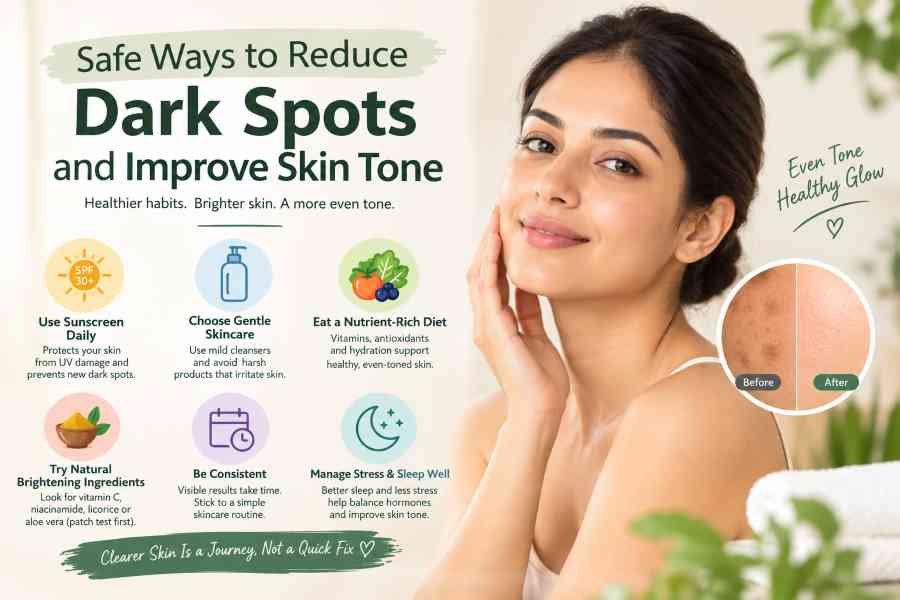
The first step toward reducing dark spots is consistent sun protection. Dermatologists generally recommend a broad-spectrum sunscreen with SPF 30 or higher. For people concerned about pigmentation a tinted sunscreen containing iron oxide may provide protection against visible light, which can contribute to darkening in some pigmentation disorders. Sunscreen should be applied to exposed skin. Reapplied regularly particularly after swimming, sweating or prolonged outdoor exposure.
Along with sunscreen gentle skincare can help prevent irritation. Choose cleansers and moisturisers that support the skin barrier rather than aggressively scrubbing pigmented areas. If a skincare product causes burning or stinging it may be irritating the skin. Potentially worsening dark marks. Avoid repeatedly picking pimples scratching skin or using harsh exfoliating methods because inflammation can contribute to post-inflammatory pigmentation.
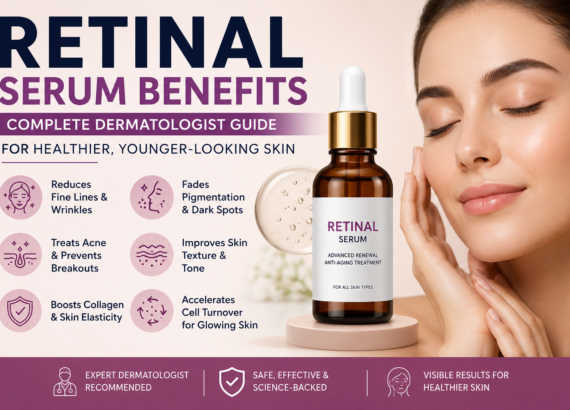
Certain topical ingredients may help improve the appearance of pigmentation when selected appropriately. Depending on the cause and skin type dermatologists may recommend ingredients such as azelaic acid, vitamin C, niacinamide, retinoids, kojic acid or other pigment-targeting treatments. Prescription treatments may also be considered for conditions. Hydroquinone for example can be effective for types of hyperpigmentation but should be used carefully and under appropriate medical guidance rather than as an unsupervised long-term bleaching treatment.
Professional treatments may be useful when topical skincare does not provide improvement. Depending on the diagnosis a dermatologist may consider chemical peels, laser or light-based procedures or other dermatological treatments. However these procedures are not suitable for every person or every type of pigmentation. In particular procedures that irritate or injure the skin can sometimes trigger -inflammatory pigmentation so treatment should be selected according to skin type, pigmentation depth and the underlying cause.
It is also important to have expectations. Some superficial dark spots may gradually fade, while deeper pigmentation can take longer. The American Academy of Dermatology notes that pigmentation following skin injury may take around 6 to 12 months to fade when it is a few shades darker than the natural skin tone while deeper pigmentation can persist for considerably longer. Treatment can sometimes accelerate the process. There is no universally instant solution.
What to Avoid When Trying to Remove Dark Spots
One of the mistakes people make when treating pigmentation is trying too many strong products at the same time. Combining exfoliating acids, retinoids, bleaching products, scrubs or home remedies can damage the skin barrier and cause irritation. Inflammation can stimulate pigmentation creating a cycle in which attempts to remove dark spots actually make them more noticeable.
Unregulated bleaching products should also be avoided. In particular household liquid bleach should never be applied to the skin. The American Academy of Dermatology specifically warns against using bleach as a treatment for dark spots. Products purchased without ingredient information can also pose risks particularly when used repeatedly or over large areas.
DIY remedies involving lemon juice, baking soda, toothpaste, undiluted acids or abrasive scrubbing are not methods for safely treating hyperpigmentation. These substances may irritate the skin. Cause inflammation or chemical injury. A gentle and consistent routine is generally safer than attempts to lighten pigmentation quickly.
Another important point is to treat the underlying cause. If acne is continuously producing dark marks treating only the pigmentation will not prevent new spots from appearing. Similarly pigmentation associated with eczema or another inflammatory skin condition may continue unless the underlying inflammation is controlled. Dermatologists therefore often focus on both the cause and the pigmentation itself.
If dark spots are persistent widespread recurring or difficult to identify professional dermatological evaluation can help determine the suitable approach. At ProDerm Solutions personalised skin evaluation can help identify pigmentation concerns and guide an appropriate treatment plan based on the individuals skin condition and needs.
Conclusion
Dark spots can be frustrating. Safe treatment begins with understanding their cause rather than searching for an instant whitening solution. Sun protection, skincare, avoiding irritation and appropriate pigmentation treatments can help improve uneven skin tone over time. Ingredients such as azelaic acid, vitamin C, niacinamide and retinoids may be useful in cases while prescription treatments and professional procedures may be considered when clinically appropriate.
Importantly pigmentation treatment requires consistency and patience. Avoid DIY remedies and unregulated bleaching products and consult a qualified dermatologist when dark spots are persistent or difficult to manage. With the diagnosis and personalised treatment plan it is possible to safely reduce the appearance of many types of dark spots and support healthier-looking more even skin.
FAQs
1. What is the safest way to remove spots?
The safest approach is to identify the cause of the pigmentation use broad-spectrum sunscreen maintain gentle skincare and use dermatologist-recommended pigmentation treatments when necessary. The appropriate treatment depends on whether the spotsre caused by acne, inflammation, sun exposure, melasma, medication or another condition.
2. Can sunscreen help fade spots?
Yes. Sunscreen helps prevent UV exposure from making pigmentation and can support the fading process. Dermatologists commonly recommend broad-spectrum SPF 30 or higher. Tinted sunscreen containing iron oxide may offer protection against visible light for people prone to pigmentation.
3. How long does it take for spots to fade?
The time varies depending on the cause and depth of pigmentation. Some superficial post-inflammatory dark spots can take months to fade while deeper pigmentation may take much longer. Consistent sun protection and appropriate treatment can help support improvement.
4. Can I use home remedies to remove spots?
It is better to avoid DIY remedies such as lemon juice, baking soda, toothpaste or abrasive scrubs. These methods can. Injure the skin and may worsen pigmentation. Gentle evidence-based skincare and professional advice are options.
5. When should I see a dermatologist, for spots?
Consider seeing a dermatologist when dark spots persist despite a consistent skincare routine repeatedly return, become widespread or are difficult to identify. A dermatologist can determine the cause and recommend suitable topical treatments or professional procedures based on your skin type and condition.
Thanks for reading
……………………………………………………
Click here to read more: Visit now
Visit our website to see all services: Click here to visit
Directly contact us on WhatsApp at +91 8448813136
Call now : +91 7678516068
acne and pigmentation treatmentdermatologist skin care tipsmonsoon skincare tipsskin care tips for Indian weatherskin protection in summerskincare routine for Indian climatewinter skincare routine India
Best dermatologist in DelhiBest dermatologist South DelhiEczema children and adultsHair growth therapy in DelhiLaser for acne & scar under senior consultantPsoriasis treatment in DelhiSkin allergy treatmentSkin specialist in DelhiTop acne treatment in DelhiTop Vitiligo cures in Delhi
acne scar laser treatmentadvanced skin laser treatmentbest dermatologist for laser treatment in delhidermatologist south delhilaser clinic in delhilaser dermatologist delhilaser skin treatment delhipigmentation laser treatment delhiSkin specialist in Delhi
Acne Scar TreatmentAcne Treatment DelhiBest dermatologist in DelhiBridal Skin CareChemical Peel TreatmentGroom Skin CareHydrafacial DelhiLaser Skin TreatmentPre Bridal FacialPre-Wedding Skin TreatmentsSkin allergy treatmentSkin Glow TreatmentSkin Specialist DelhiWedding Skin Care Tips