Fungal Infection Treatment: Causes & Prevention
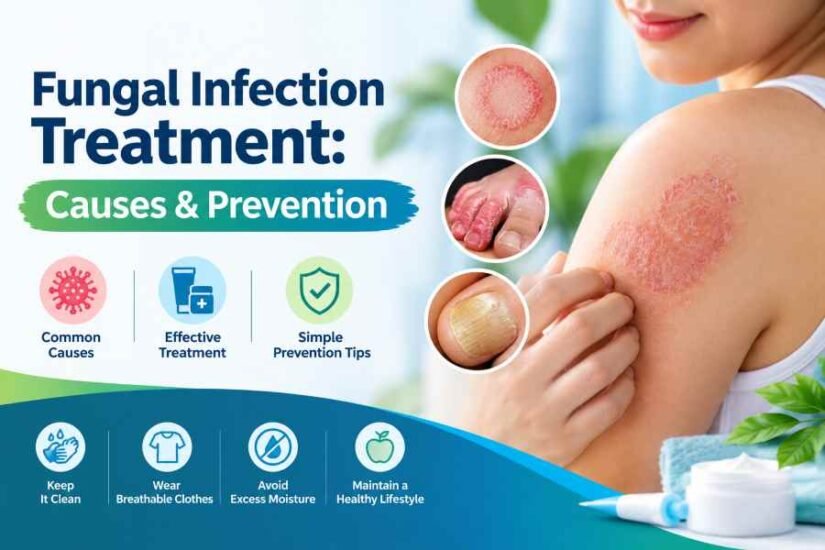
A Infection Treatment , fungal infection on the skin is a skin problem caused by fungi that grow on or inside the skin. A fungal infection can affect parts of the body such as the feet, groin, skin folds, scalp, nails and other areas. Common fungal infections include ringworm, athlete’s foot, jock itch and certain fungal nail infections. Although the word ringworm sounds like a worm ringworm is an infection that can spread when a person touches an infected person, animal, object or a contaminated surface. One of the causes of a fungal infection is long exposure to warm and wet places. Sweat, humidity and not drying the skin well can create an environment for fungi to grow. This is especially true when the weather is hot or rainy. Wearing clothes for a long time not changing socks often sharing towels or clothes and walking barefoot in places like locker rooms can also raise the risk of a fungal infection. Athletes can have exposure because they sweat, have close skin-to-skin contact and share equipment. A fungal infection may show up as redness, itching, scaling, burning, peeling or round patches on the skin. Some fungal infections may make a rash that has a border while fungal infections in skin folds can cause irritation and pain. However not every itchy or red rash is an infection. A fungal infection can sometimes look like eczema, psoriasis, an allergic reaction or another skin problem, which is why a fungal infection that keeps coming should be checked by a dermatologist rather than treated just because it looks a certain way.
Certain factors can make an infection harder to treat. Diabetes, obesity some medicines that suppress the system and certain skin conditions may lead to a worse response to treatment of a fungal infection. ProDerm Solutions also says that stopping treatment early and using creams that contain steroids can make a fungal infection persist or become hard to treat.
Fungal Infection Treatment: Medical Options and Important Precautions
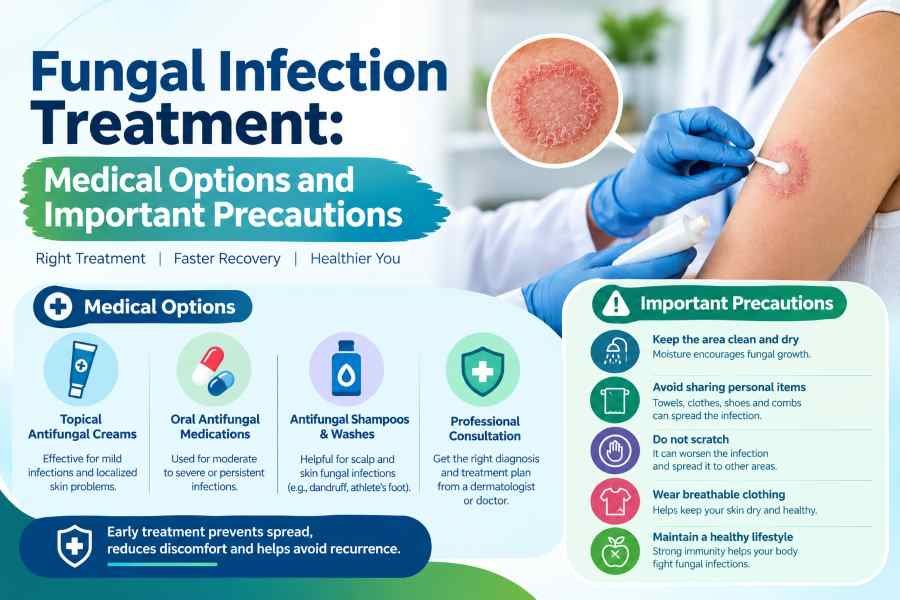
The right treatment for an infection depends on the type, location, size and seriousness of the fungal infection. Antifungal medicines are the way to treat a fungal infection and can come as creams, ointments, powders, shampoos or pills. Choosing between a topical and an oral treatment depends on the fungal infection and a medical check.
For some fungal infections on the skin a dermatologist may suggest a topical antifungal medicine. A fungal infection treatment may need to continue for the time advised even if itching and visible signs improve earlier. Stopping an infection treatment as soon as the rash looks better can let the fungal infection return. The American Academy of Dermatology says to follow the time recommended by the dermatologist or the product instructions for an infection.
Serious, recurring or hard-to-treat fungal infections may need prescription treatment. Oral antifungal medicines may be needed for some infections but they should be used under a doctor’s care because antifungal medicines can have side effects and may interact with other medicines. The CDC says to use medication as directed by a health professional or the label and to ask a health professional if a fungal infection treatment is not working.
An important worry about treating a skin infection is using creams that contain steroids in the wrong way. Steroids can lower redness and itching for a time, which may make a fungal infection look better while the fungal infection is still there. The CDC says to avoid over-the-counter products that contain corticosteroids unless a health professional has told you to use them for a fungal infection.
Taking medicine by yourself can make some fungal infections harder to manage. ProDerm Solutions points out that stopping treatment early and using wrong combination creams can cause an infection to stay or become hard to treat. Their dermatology service gives a checkup and treatment for an infection and stresses the right precautions and staying on treatment for a fungal infection.
If a rash keeps coming spreads to other parts of the body does not get better with the right treatment affects the scalp or nails or causes big discomfort seeing a dermatologist is very important for a fungal infection. A health professional can decide if the problem is really an infection and pick the right treatment plan. This is especially important because a fungal infection can be mixed up with skin conditions.
Fungal Infection Prevention: Simple Habits for Healthier Skin
Fungal infection prevention starts with keeping the skin clean and dry. After a bath, workout or sweating dry places that stay wet especially between the toes, around the groin and in skin folds. Wear breathable clothes and change damp clothes as soon, as possible. Socks and underwear should be changed often especially when they become sweaty.
Avoid sharing items like towels, socks, clothing, shoes, razors or any other objects that touch skin directly. Fungal infection such as ringworm can spread through objects and surfaces that are contaminated. Washing towels and clothes often and letting them dry completely can lower the chance that fungal infection spreads.
Foot hygiene is very important for stopping fungal infection. Avoid walking in shared showers, locker rooms, swimming‑pool changing areas and other similar places. Wearing footwear in those places can stop direct contact with surfaces that might be contaminated by fungal infection. Those who exercise often should. Dry their sports equipment and should not share personal equipment whenever possible.
Pet hygiene can also be important because some fungal infection can pass between animals and humans. If a pet at home shows skin spots or hair loss a vet can check whether a fungal infection is involved. Treating a pet that has infection properly can lower the chance that fungal infection returns in the home.
When the weather is humid or rainy be especially careful to dry clothes before putting them on. ProDerm Solutions recommends hygiene, clothes that are fully dry regular washing of jeans and proper pet hygiene as steps that can help stop fungal infection.
Most important do not keep using creams whenever itching shows up. A rash that comes back may be caused by something or may need a different treatment plan. If symptoms stay or come back after treatment a dermatologist can examine the condition. Decide on the right fungal infection treatment.
Conclusion
A skin infection can cause long‑lasting itching, redness, scaling and discomfort but a proper diagnosis and treatment can help manage the condition well. Knowing what usually causes infection finishing the recommended antifungal treatment and keeping good hygiene are key parts of managing and preventing fungal infection. Avoiding steroid‑containing creams and needless self‑medication is also very important because those practices can make fungal infection worse.
If you have a rash that keeps happening keeps spreading or does not go away a professional check can show whether it is an infection or another skin condition. For people who want infection treatment in Delhi ProDerm Solutions gives a skin assessment and treatment for fungal infection and also cares for many other skin problems.
FAQs
1. What is the best treatment for a skin infection? The right fungal infection treatment depends on the type, place and how severe the infection is. Antifungal creams, ointments, powders or tablets may be used depending on the diagnosis. A dermatologist can suggest the option.
2. What causes infection on the skin? Common fungal infection causes are touching a person or animal using contaminated objects and surfaces having too much moisture, sweating and staying in warm places for a long time.
3. Can fungal infection come back after treatment? Yes. Fungal infection can return when treatment stops soon when reinfection happens or when the main problem is not diagnosed or treated correctly. Finishing the recommended treatment and keeping hygiene can lower the chance of return.
4. Can steroid creams make fungal infection worse? Some steroid creams can hide the inflammation while not treating the fungus well. May make fungal infection worse or more complicated. The CDC says to avoid products with steroids unless a health professional says it is okay.
5. When should I see a dermatologist, for an infection? Think about seeing a dermatologist when the rash stays, reappears, spreads is severe touches the scalp or nails or does not get better with the treatment. A professional check is also helpful when the diagnosis is unclear because many skin conditions look like infection.
Thanks for reading
……………………………………………………
Click here to read more: Visit now
Visit our website to see all services: Click here to visit
Directly contact us on WhatsApp at +91 8448813136
Call now : +91 7678516068
acne and pigmentation treatmentdermatologist skin care tipsmonsoon skincare tipsskin care tips for Indian weatherskin protection in summerskincare routine for Indian climatewinter skincare routine India
Best dermatologist in DelhiBest dermatologist South DelhiEczema children and adultsHair growth therapy in DelhiLaser for acne & scar under senior consultantPsoriasis treatment in DelhiSkin allergy treatmentSkin specialist in DelhiTop acne treatment in DelhiTop Vitiligo cures in Delhi
acne scar laser treatmentadvanced skin laser treatmentbest dermatologist for laser treatment in delhidermatologist south delhilaser clinic in delhilaser dermatologist delhilaser skin treatment delhipigmentation laser treatment delhiSkin specialist in Delhi
Acne Scar TreatmentAcne Treatment DelhiBest dermatologist in DelhiBridal Skin CareChemical Peel TreatmentGroom Skin CareHydrafacial DelhiLaser Skin TreatmentPre Bridal FacialPre-Wedding Skin TreatmentsSkin allergy treatmentSkin Glow TreatmentSkin Specialist DelhiWedding Skin Care Tips